
 Donate Now
Gopashtami and Govatsa Dwadashi: Festivals of the Cow
Two sacred days in the month of Kartika are devoted to honouring the cow and her calf. Learn their meaning and how to observe them with devotion.
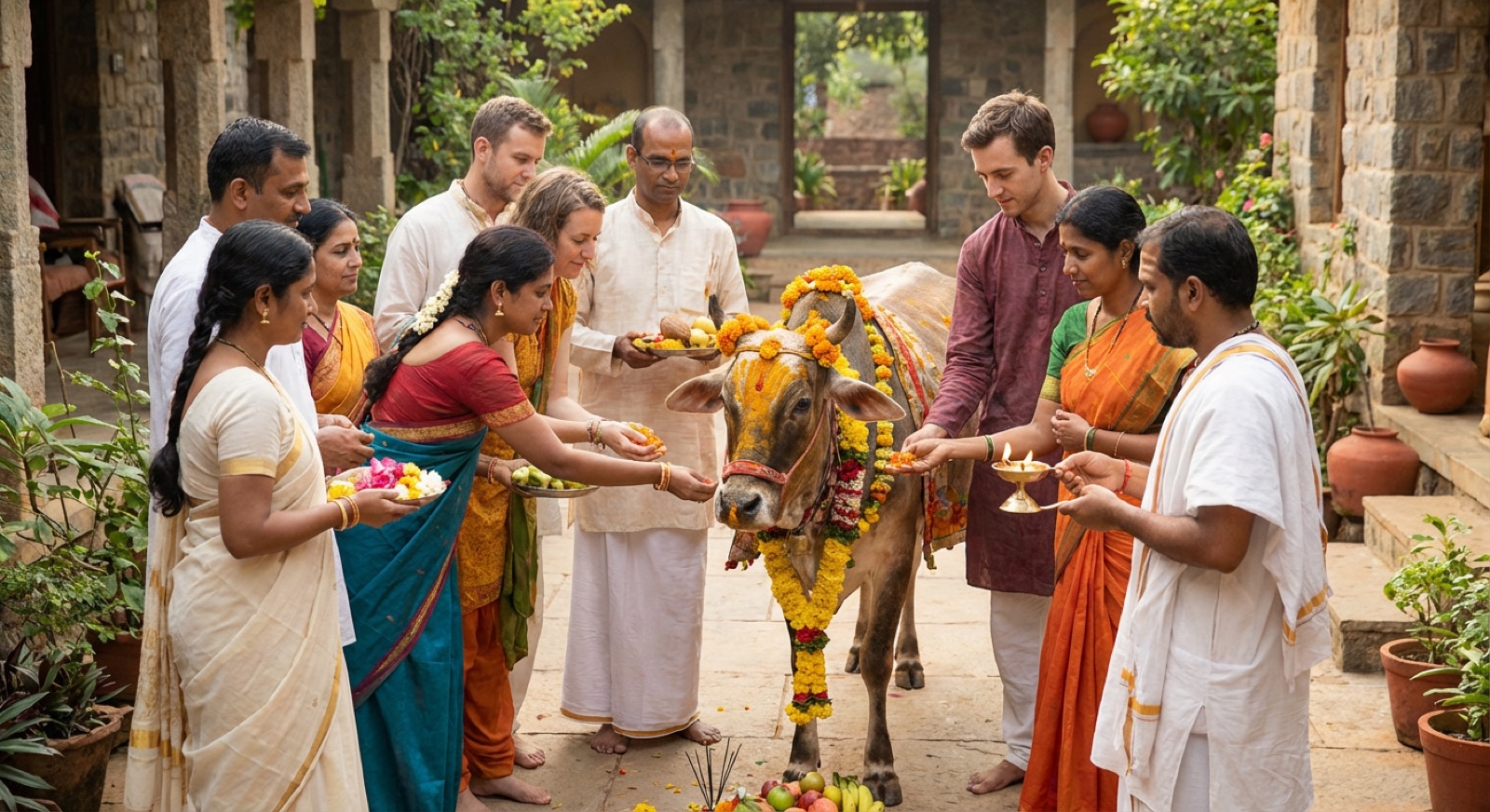
The Hindu calendar sets aside special days to honour Gomata. Two of the most beloved fall in the holy month of Kartika: Govatsa Dwadashi, which opens the Deepavali festivities, and Gopashtami, which follows soon after.
Govatsa Dwadashi — honouring mother and calf
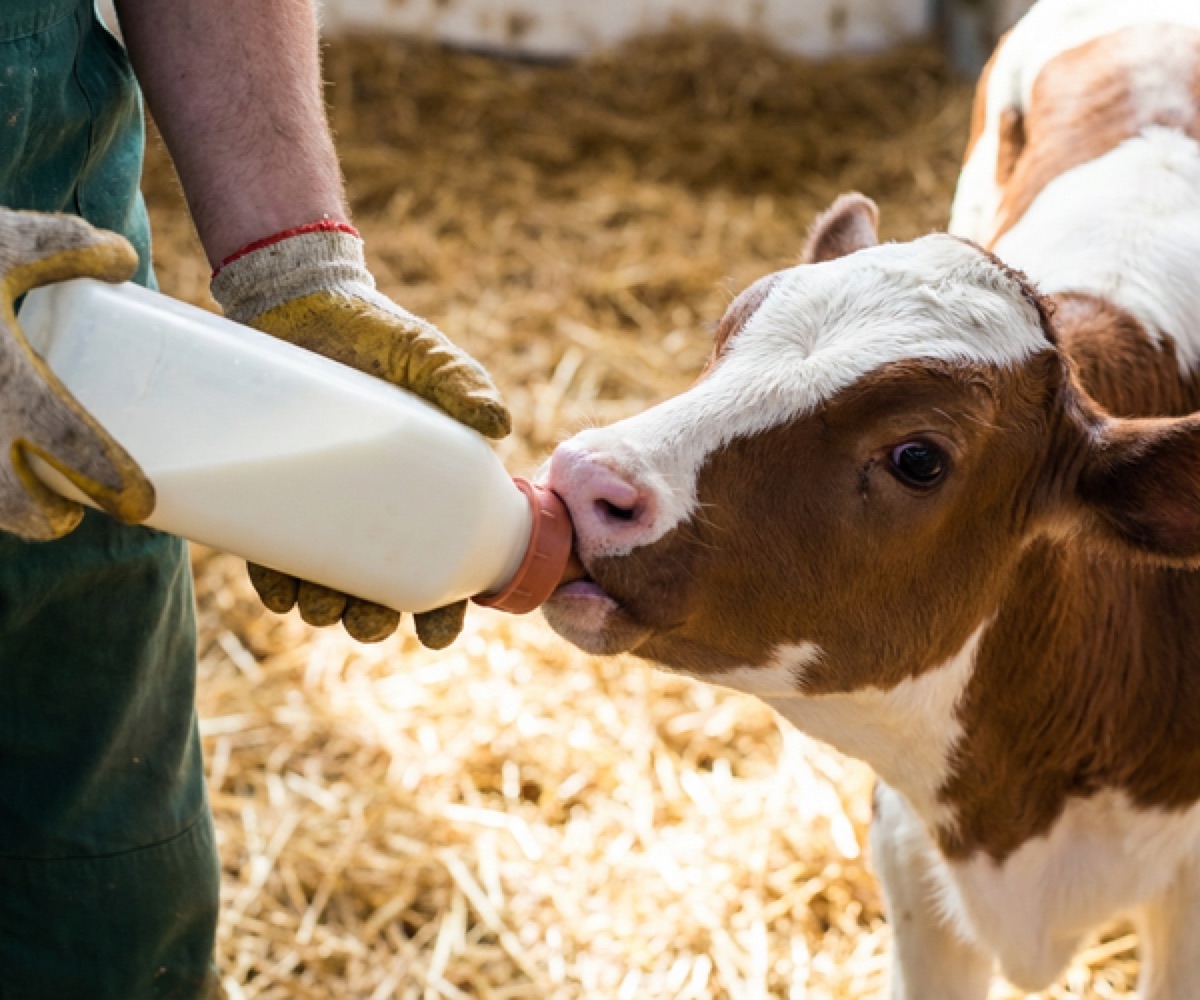
Observed on the Dwadashi before Dhanteras (also known as Vasu Baras in Maharashtra), this day celebrates the bond between the cow and her calf (vatsa). Devotees worship a cow together with her calf, offer them sprouted grains and sweets, and many observe a fast, avoiding dairy products for the day as a mark of respect. It is especially dear to mothers, who pray for the well-being of their children.
Gopashtami — the day of the cowherd
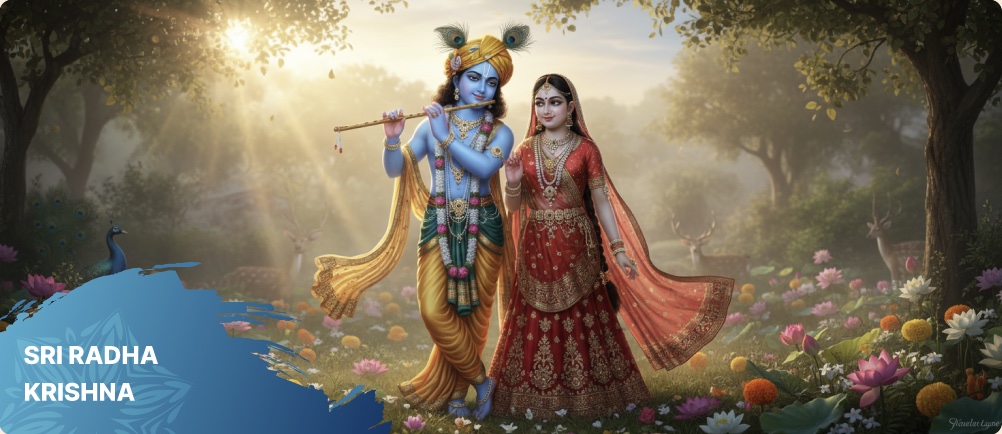
Celebrated on Kartika Shukla Ashtami, Gopashtami marks the day Sri Krishna first took the cows out to graze. Goshalas across India come alive with prayer, music and festivity on this day.
How to observe these days
- Bathe and adorn the cows with turmeric, kumkum, flowers and fresh cloth.
- Perform Go Puja — offer lamp, incense and flowers, and circumambulate (parikrama) the cow.
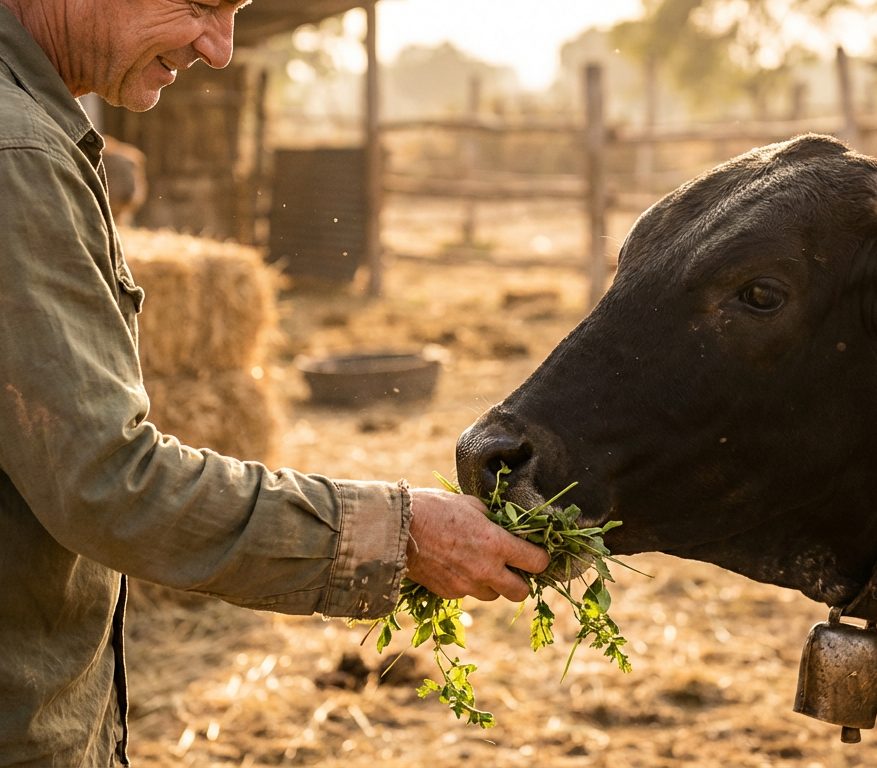
- Offer food — green grass, jaggery, wheat rotis and fruits.
- Touch the cow's feet and seek her blessings for your family.
- Give in seva — sponsor fodder or medical care for the goshala's cows.
A festival observed at home is a blessing; a festival shared with Gomata is a blessing multiplied.
Celebrate with us
Our goshala holds Go Puja and special seva on both days. Visit the Events and Pujas pages to join in person or to offer seva in your family's name.